
Formula 1 Enters a New Era
Updated: Dec 29, 2025
Radical 2026 Regulations Set to Redefine the Sport
Formula 1 is poised for what officials and teams are calling the biggest regulatory shake-up in decades, with sweeping changes to car design, power units, and race dynamics set to take effect in the 2026 season. The overhaul, which has been ratified by the FIA and collaborated on with F1 stakeholders, aims to make racing closer, more sustainable, and more exciting for fans—but not without controversy and technical debate.
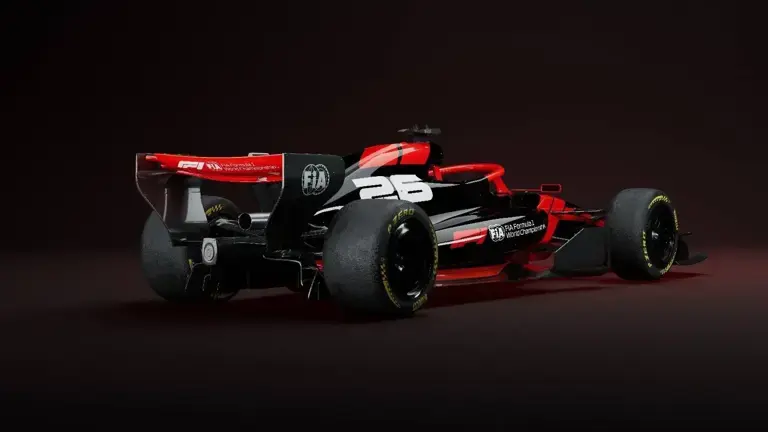
At the heart of the transformation is a new “nimble car” concept: a return to smaller, lighter, and more agile machines. Under the new technical regulations, cars will be approximately 30 kg lighter, with a shorter wheelbase and narrower overall dimensions compared to the outgoing generation. Downforce and drag have been deliberately trimmed to promote driver control and reduce turbulent wake effects that have traditionally hampered close following.

Active aerodynamics represent one of the most striking departures from current practice. Moveable front and rear wings will replace the familiar Drag Reduction System (DRS), offering drivers dynamic control over aerodynamic load around the circuit. Unlike DRS—restricted to certain zones—these systems can be adjusted more broadly for strategic performance gains.
Complementing the aero revolution is a fundamental rework of Formula 1’s hybrid power units. The new engines maintain the 1.6-liter turbo-hybrid format but with a near 50/50 split between internal combustion and electric power, coupled with 100 % sustainable fuel usage. The complex MGU-H component has been removed, while the MGU-K’s output has surged significantly, enabling higher electrical deployment and improved energy recovery.
With sustainability elevated in the sport’s mission, all teams will run these advanced fuels, a key element of F1’s broader carbon-neutral goals. The emphasis on electrification and renewables is also reflected in new overtaking aids like Overtake Mode and Boost Mode—terminology devised to replace the legacy DRS brand and clarify tactical power deployment during races.
Despite the optimism from governing bodies, the transition has sparked debate. Multiple reports suggest that some manufacturers have identified potential loopholes in the engine regulations, potentially offering performance advantages that could tilt the competitive balance—prompting early scrutiny and calls for clarification.

As teams prepare for pre-season testing with these radically different cars, questions remain over tyre behavior, race strategies, and whether the promised closer racing will materialize. But stakeholders agree: 2026 will mark a watershed moment in Formula 1’s history, where innovation, sustainability, and spectacle are being reimagined together.


Comments