
Why Is GT3 So Popular?
The Category That Took Over Motorsport
For years, motorsport categories have come and gone.
Rules changed.
Manufacturers left.
Series disappeared.
But GT3 kept growing.
Today, GT3 has become one of the most successful forms of racing in the world and appears almost everywhere—from endurance championships and sprint series to sim racing and international events.
So why did GT3 succeed where so many categories struggled?
Because GT3 solved one of motorsport’s hardest problems.
How do you make racing competitive, exciting, recognizable, and financially realistic at the same time?

GT3 Cars Actually Look Like Cars
One of the biggest reasons GT3 became so popular is simple.
People recognize the cars.
Unlike prototypes or open-wheel machines, GT3 cars begin life as production-based performance cars.
When fans watch a GT3 race, they see shapes they already know.
Low, wide, aggressive versions of cars they have posters of, drive on the street, or dream about owning.
That connection matters.
GT3 feels closer to the real world.
And that makes it easier to care.
GT3 Creates Better Racing
Raw speed doesn’t always create exciting racing.
GT3 became popular because it focuses heavily on close competition.
Cars are regulated to keep performance relatively balanced.
That means races are often decided by:
Driver consistency
Strategy
Tire management
Team execution
Instead of one car disappearing into the distance, GT3 regularly produces battles that last entire races.
That unpredictability keeps fans engaged.
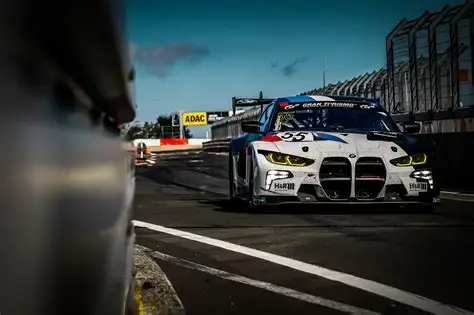
Manufacturers Love GT3
GT3 also works because manufacturers actually want to race in it.
Developing a prototype program is expensive.
GT3 allows manufacturers to compete globally with one platform across multiple championships.
That means fans often see huge variety in the field.
Different engine layouts.
Different driving styles.
Different identities.
It creates something every race fan loves:
Choice.
GT3 Works Everywhere
Another reason GT3 exploded in popularity is flexibility.
You can find GT3 racing in:
Endurance racing
Sprint championships
International competition
National series
Sim racing
The same style of car can appear in multiple formats.
That consistency makes it easier for fans to follow.
And easier for teams to participate.
GT3 Feels Attainable
GT3 occupies a unique place in motorsport.
It still feels elite—
but not impossible.
Fans can imagine themselves driving one.
Sim racers can jump into similar cars online.
Drivers can build careers around the category.
That accessibility creates emotional connection.
And emotional connection builds popularity.

So Is GT3 Better Than Hypercar?
Not necessarily.
Hypercar represents the peak of endurance engineering.
GT3 represents the heart of competition.
One pushes technology.
The other creates battles.
That’s why they work so well together.
First Sector Verdict
GT3 became popular because it gives people everything they want from racing.
Recognizable cars.
Close competition.
Multiple manufacturers.
Real strategy.
And enough unpredictability that every race still feels alive.
It may not be the fastest category in motorsport—
but it might be one of the best.


Comments